
Your employees are your biggest risk—and it’s not their fault
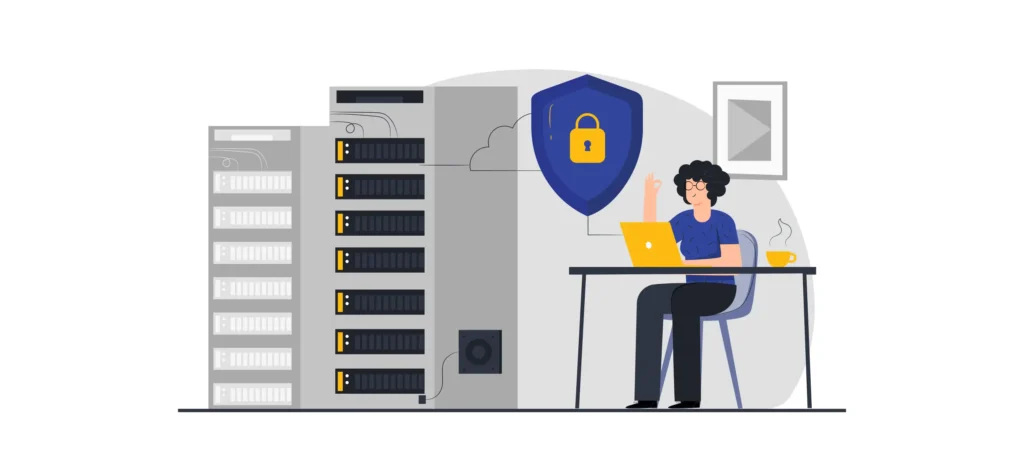
In the boardroom, we talk about firewalls, encryption protocols, and zero-trust architecture. We spend millions on software that promises to be the ultimate shield against digital intrusion. Yet, every year, the statistics tell a different story. In 2026, research shows that nearly nine out of ten successful cyber-attacks start with a human being clicking a link, downloading a file, or sharing a credential.
For decades, the industry has called this “user error.” We’ve treated it as a failure of intelligence or a lack of caution. But if we are being honest, that’s a lazy excuse for poor system design. The truth is that your employees are your biggest risk, but it is absolutely not their fault. They are up against a multi-billion dollar industry of professional manipulators who use psychology, generative AI, and deepfake technology to bypass the human brain’s natural defenses.
The Myth of the Careless Employee
Most business owners assume that a data breach happens because an employee was being lazy or visiting a website they shouldn’t have been. In reality, modern phishing is targeted. It is a long game played by specialists.
If an employee receives an email that looks exactly like an internal HR memo, uses the same corporate font, mentions their specific department head by name, and references a project they are actually working on, clicking that link isn’t carelessness. It’s a natural reaction to a professional environment. We have trained our staff to be efficient and responsive; hackers are now simply hijacking that efficiency through social engineering.
Why Generative AI Has Changed the Rules of Engagement
The red flags we used to teach—bad grammar, blurry logos, and generic greetings—have largely disappeared. Advanced language models now allow a hacker in a different hemisphere to write perfect corporate English. They can scrape your company’s LinkedIn page, understand your internal hierarchy, and craft a message that sounds exactly like your CEO.
When you combine this with deepfake voice technology, a staff member might even receive a phone call that sounds exactly like their manager asking for a quick password reset while they are traveling. When the attack is this sophisticated, blaming the person who falls for it is like blaming someone for getting wet when it’s raining. The fault lies in the fact that they weren’t given a raincoat that actually works.
The Psychology of a Breach: Fear and Urgency
Hackers don’t just use code; they use neurochemistry. Almost every successful social engineering attack relies on triggering a high-stress, fight-or-flight response.
- The Urgent Invoice: A message claiming a vendor hasn’t been paid and services will be cut off in two hours.
- The Security Alert: A warning that their account has been compromised and they must click here now to secure it.
- The HR Violation: A terrifying note about a policy breach that needs an immediate digital signature.
When a human is in a state of high stress, the prefrontal cortex—the part of the brain responsible for logical reasoning—partially shuts down. We become reactive. Hackers know this. They aren’t trying to outsmart your IT team; they are trying to out-stress your receptionist.
Moving From Security Training to Security Culture
Most companies tick the box by making employees watch a boring fifteen-minute video once a year. This doesn’t work. In fact, it often makes things worse by creating a false sense of security.
A real defensive approach involves building a culture where people aren’t afraid to speak up. If an employee clicks a suspicious link and their first thought is that they are going to get fired, they will hide it. By the time your IT team realizes there is a problem, the hacker has already moved laterally through your entire network, potentially deploying ransomware or stealing intellectual property.
If their first thought is that they need to tell the security team immediately so they can block the threat, you’ve just turned that employee from a risk into a human sensor. This is the essence of a resilient security culture.
Five Ways to Protect Your People Without Blaming Them
To truly secure your business, you need to stop asking your employees to be perfect and start making your systems resilient to human error.
1. The No-Blame Reporting Protocol Create a dedicated “I clicked it” button or a fast-response channel. Reward people for reporting mistakes. The faster your security operations center knows about a click, the less damage the intruder can do.
2. Implementing Hardware-Level Defense If you know your employees are under attack, stop giving them passwords that can be stolen. Moving to physical security keys or FIDO2 authentication means that even if an employee enters their credentials into a fake site, the hacker still can’t log in because they don’t have the physical hardware key.
3. Contextual Awareness, Not Just Training Instead of generic videos, run internal phishing simulations that mimic real-world threats your specific industry faces. Then, if someone clicks, don’t punish them—show them exactly how they were tricked in a supportive environment. This builds genuine intuition.
4. The Two-Person Rule for Sensitive Actions For wire transfers, payroll changes, or sensitive data exports, require two separate people to authorize the action. This removes the pressure from a single individual and breaks the urgency spell a hacker is trying to cast.
5. AI-Powered Email Security Use advanced email filtering that sits in front of the inbox and scores the sentiment of messages. If an email sounds unusually urgent or out of character for the sender, the system should flag it with a prominent warning banner before the employee even reads the first sentence.
The Specialist Verdict
At the end of the day, your employees are hired to do a job—to sell, to code, to manage, or to create. They are not cybersecurity experts, and they shouldn’t have to be.
Our job as leaders is to build a shield that assumes a human will eventually make a mistake. When you stop blaming the person and start fixing the process, you don’t just get a more secure company—you get a more confident, productive team. In the current landscape, the strongest defense isn’t a better firewall; it’s a team that knows their company has their back when the inevitable bad link arrives in their inbox.